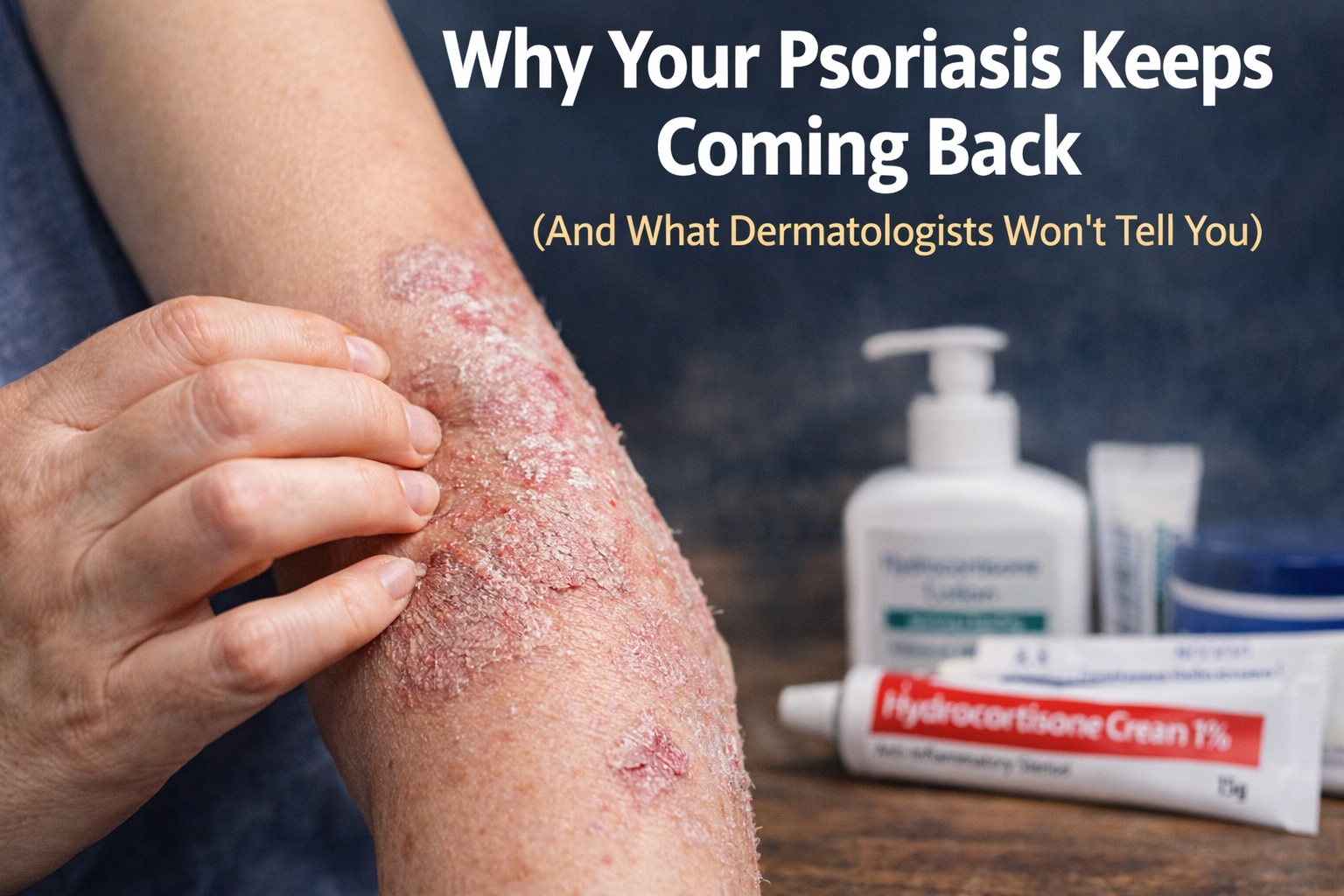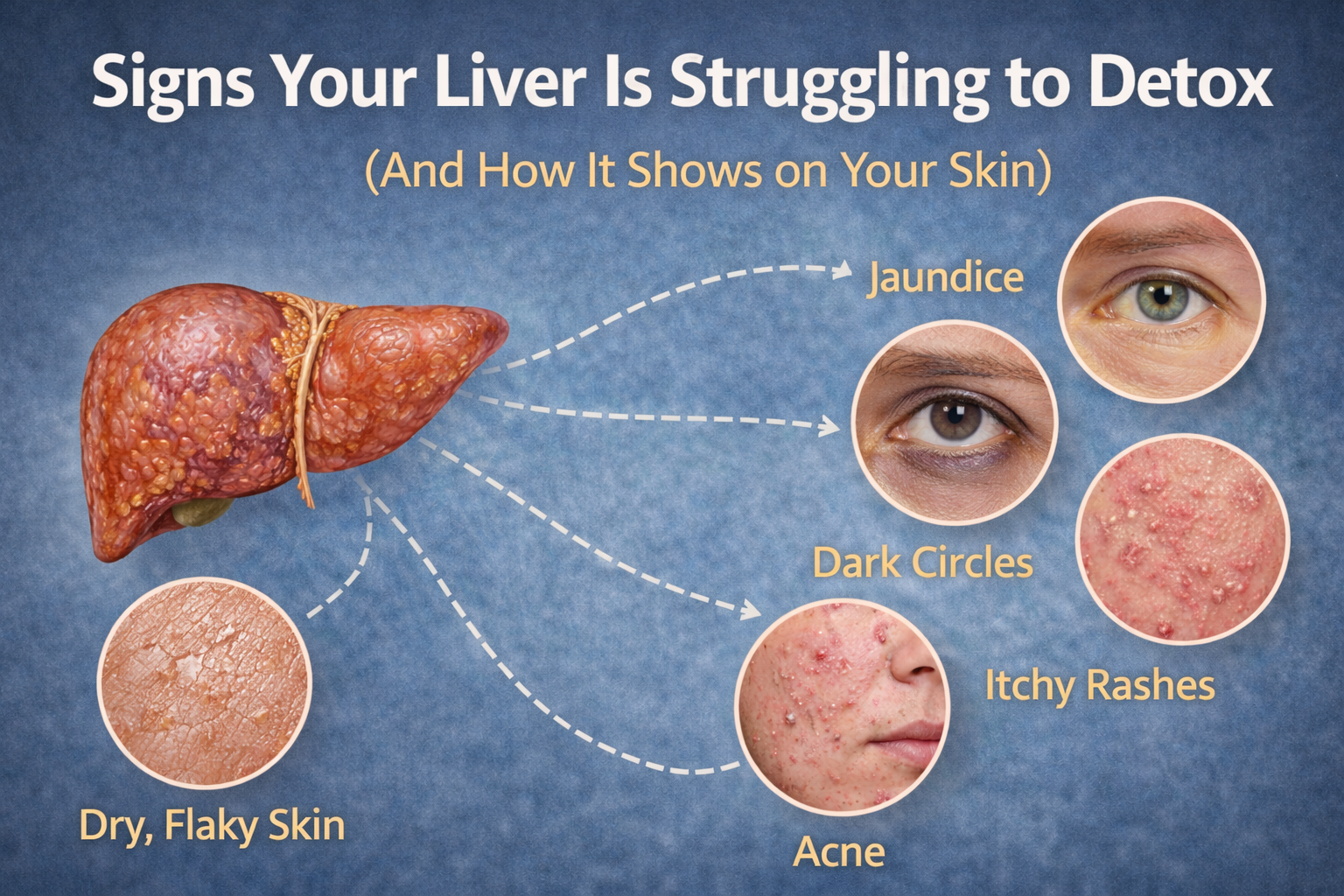
The gut-skin axis is one of the most exciting frontiers in modern medicine. What was once dismissed as fringe thinking — the idea that your gut bacteria could influence your skin — is now backed by hundreds of peer-reviewed studies. The connection is real, it's measurable, and understanding it is the key to finally healing chronic skin conditions.
What Is the Gut-Skin Axis?
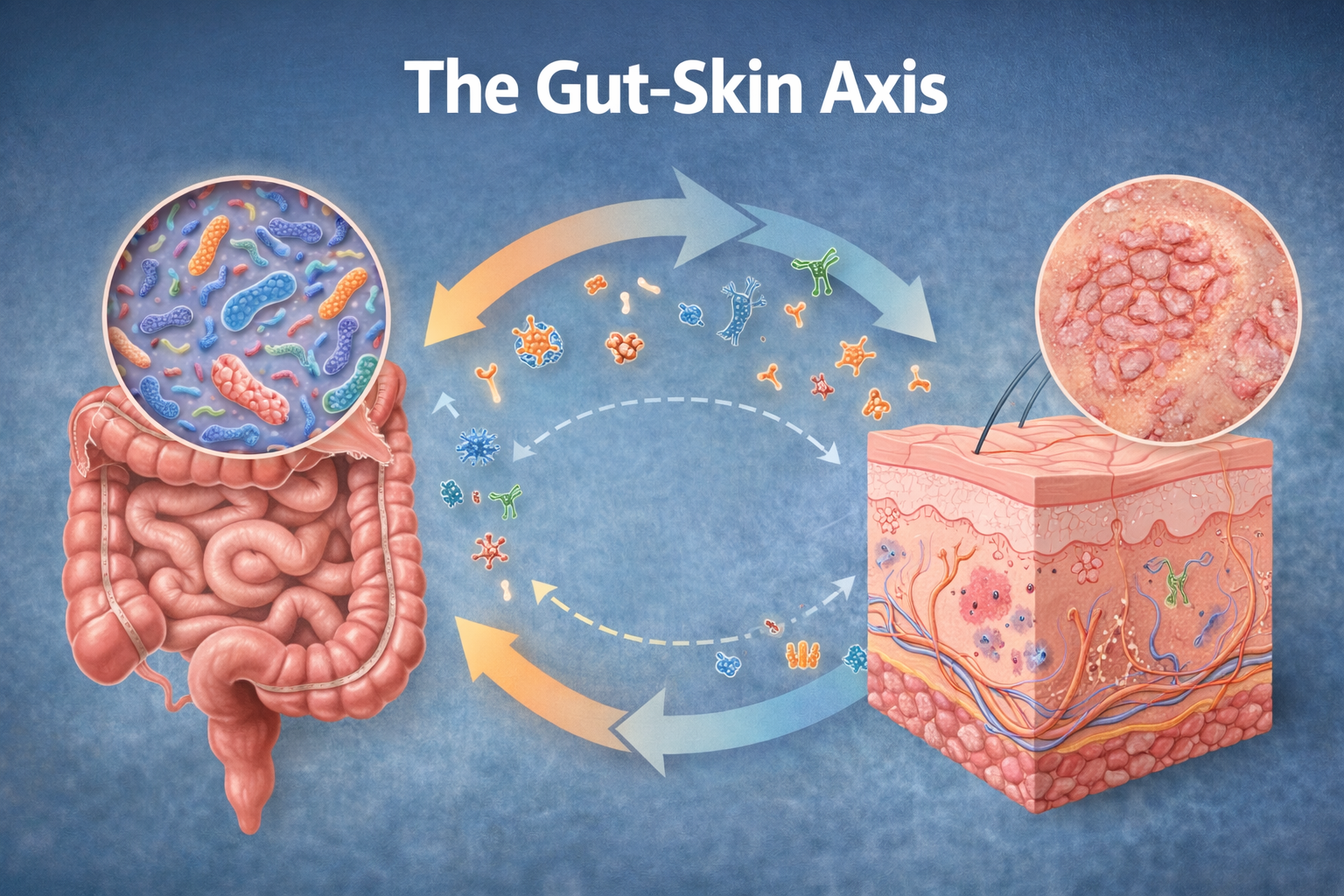
The gut-skin axis refers to the bidirectional communication network between your gastrointestinal tract and your skin. This communication happens through multiple pathways: the immune system, the nervous system, the endocrine system, and the direct circulation of metabolites produced by gut bacteria.
Your gut houses approximately 70% of your immune system. The bacteria living there — collectively called the microbiome — train your immune cells, regulate inflammatory responses, and produce compounds that travel through your bloodstream to every organ in your body, including your skin.
How Gut Bacteria Directly Affect Your Skin
Short-Chain Fatty Acids (SCFAs)
When beneficial gut bacteria ferment dietary fiber, they produce short-chain fatty acids like butyrate, propionate, and acetate. These compounds have powerful anti-inflammatory effects throughout the body. Butyrate, in particular, strengthens the intestinal barrier, reduces systemic inflammation, and has been shown to improve skin barrier function in people with eczema and psoriasis.
Immune System Regulation
A diverse, healthy microbiome keeps your immune system calibrated — able to fight real threats without overreacting to harmless triggers. Dysbiosis (microbial imbalance) shifts the immune system toward a pro-inflammatory state, increasing levels of cytokines like IL-17, IL-23, and TNF-alpha — the exact same cytokines that drive psoriasis, eczema, and rosacea.
“The microbiome is not just a passenger in your gut. It is an active regulator of your immune system, your metabolism, and your skin.”
— Dr. Whitney Bowe, The Beauty of Dirty Skin
The Leaky Gut Connection
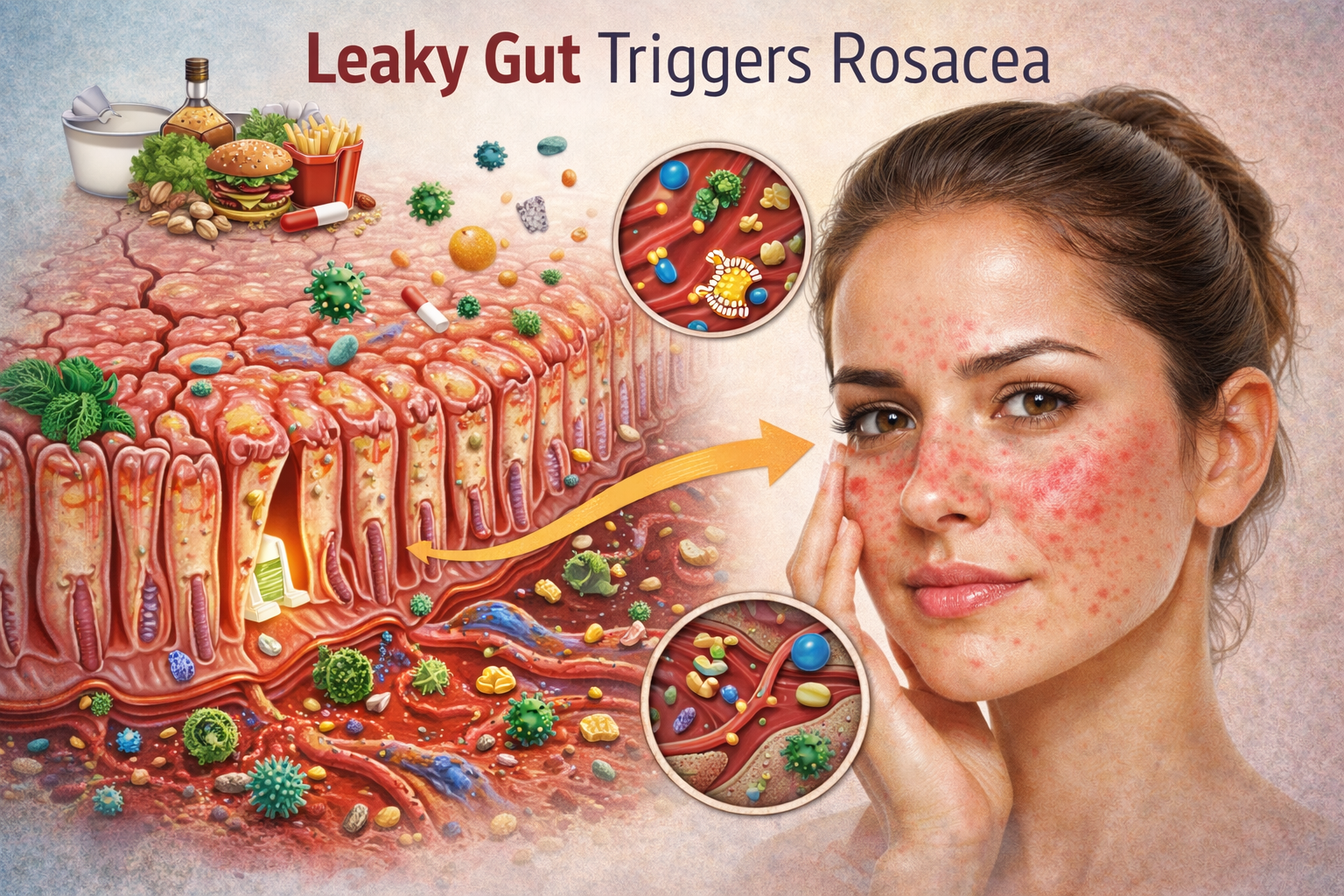
Dysbiosis weakens the tight junctions between intestinal cells, creating intestinal permeability — commonly called leaky gut. This allows bacterial toxins (LPS), undigested food proteins, and other antigens to enter the bloodstream. The resulting immune activation is a primary driver of the chronic, systemic inflammation that shows up on your skin.
Research Finding: A 2019 meta-analysis found that people with psoriasis had significantly lower levels of Faecalibacterium prausnitzii — a key anti-inflammatory bacterium — compared to healthy controls. Restoring this bacterium through diet and probiotics correlated with reduced psoriasis severity.
Signs Your Gut-Skin Axis Is Disrupted
- Skin flares that worsen after antibiotics or periods of poor diet
- Digestive symptoms (bloating, gas, irregular bowel movements) alongside skin issues
- Skin conditions that improve when you travel or change your diet significantly
- History of frequent antibiotic use, especially in childhood
- Skin that worsens during periods of high stress (stress disrupts the microbiome)
How to Restore the Gut-Skin Axis
Restoring gut-skin axis balance requires a multi-pronged approach. You need to remove what's disrupting the microbiome, repopulate with beneficial bacteria, and repair the intestinal lining.
- Remove: Gluten, dairy, refined sugar, seed oils, alcohol, and unnecessary medications
- Repopulate: High-quality multi-strain probiotics (50+ billion CFU), fermented foods daily
- Repair: L-glutamine (5g daily), zinc carnosine, collagen peptides, bone broth
- Feed: Prebiotic fiber from garlic, onions, leeks, asparagus, and green bananas
The gut-skin axis is not a theory — it's a well-documented biological reality. The question is no longer whether your gut affects your skin. The question is: what are you going to do about it?