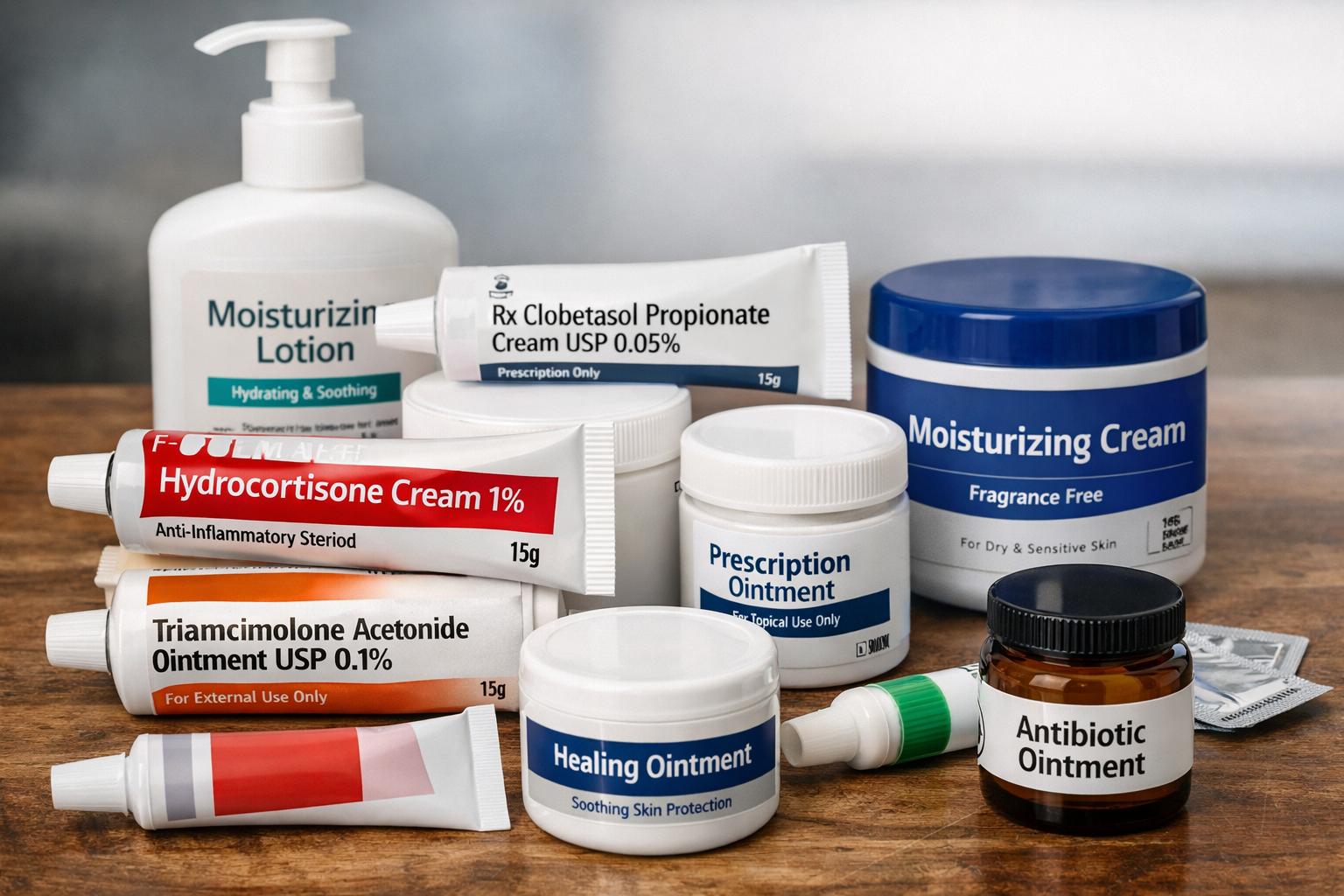
You've probably spent hundreds — maybe thousands — of dollars on creams. Steroid creams, moisturizing creams, prescription ointments, "natural" balms. Some of them helped temporarily. None of them fixed the problem. If you're reading this, you already know that. What you might not know is why — and the answer changes everything.
The Smoke Alarm Analogy
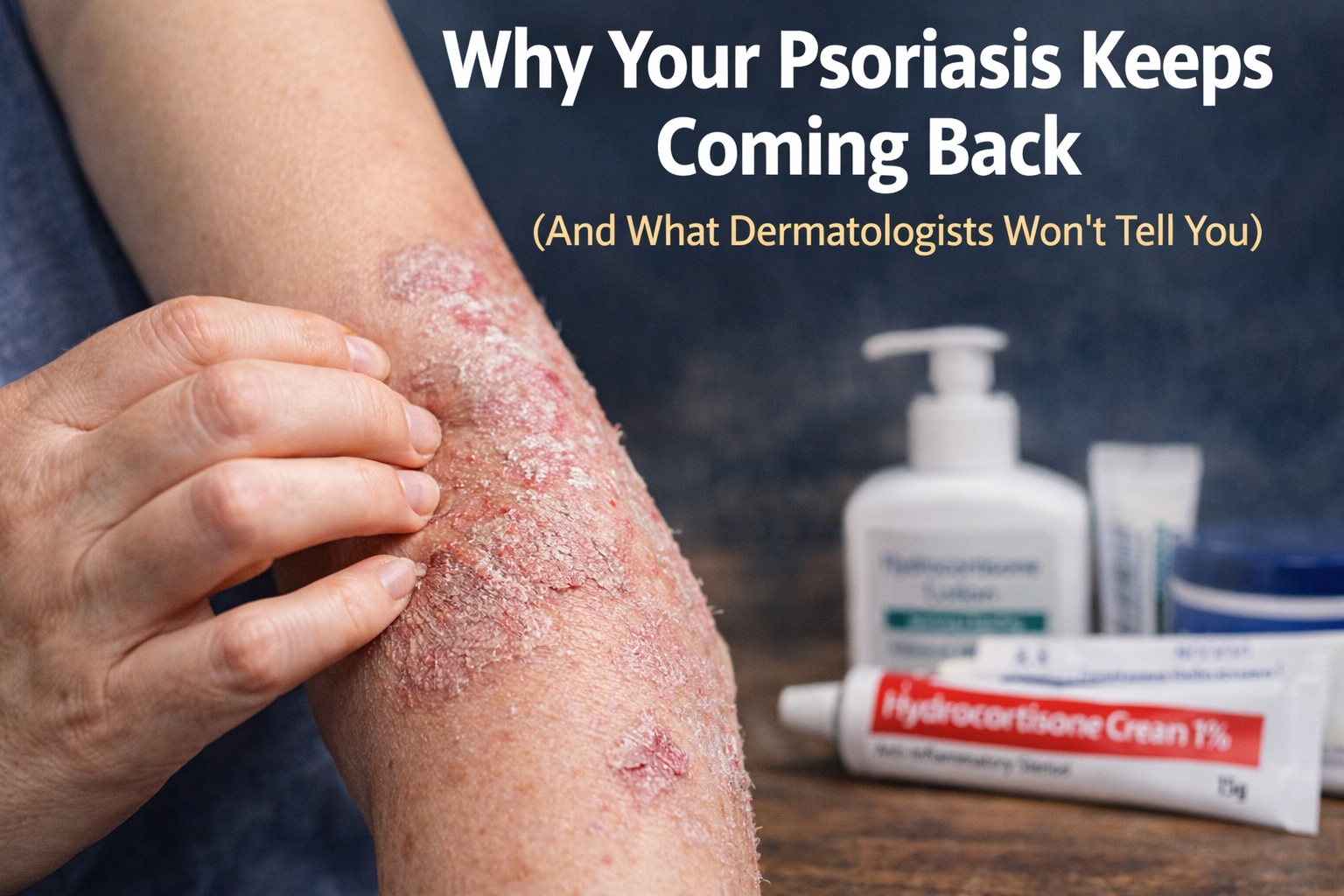
Imagine your skin condition is a smoke alarm going off in your house. A topical cream is the equivalent of pulling the battery out of the alarm. The noise stops. You feel relief. But the fire is still burning in the kitchen. This is exactly what happens when you apply a steroid cream to a psoriasis plaque or an eczema patch. The inflammation is suppressed locally. The immune overreaction that caused it continues uninterrupted.
“Treating skin disease with topical creams is like mopping the floor while the tap is still running. You have to turn off the tap.”
— Dr. Robynne Chutkan, Gutbliss
What Topical Treatments Actually Do
Corticosteroid creams work by suppressing local immune activity. They reduce the production of inflammatory cytokines in the skin, which decreases redness, swelling, and itching. This is genuinely useful for short-term symptom management. The problem is what happens next.
Rebound Flares
When you stop using a steroid cream, the underlying immune dysfunction that was being suppressed reasserts itself — often more aggressively than before. This is called a rebound flare, and it's one of the most demoralizing experiences in chronic skin disease management. The cream worked, you stopped using it, and now you're worse than when you started.
Skin Thinning and Dependency
Long-term steroid cream use causes skin atrophy — the skin becomes thinner, more fragile, and more susceptible to damage. Blood vessels become more visible. The skin loses its natural barrier function. And perhaps most insidiously, the skin can become dependent on the steroid, requiring progressively stronger formulations to achieve the same effect. This is called topical steroid addiction (TSA) or topical steroid withdrawal (TSW), and it affects a significant number of long-term users.
Important: This is not an argument against ever using topical treatments. They have a legitimate role in managing acute flares and preventing secondary infections. The argument is against using them as a primary long-term strategy without addressing root causes.
Why Skin Conditions Are Internal Problems
Psoriasis, eczema, rosacea, and acne are not skin diseases in the way that a cut or a sunburn is a skin problem. They are systemic inflammatory conditions that express themselves on the skin. The skin is the largest organ in the body and one of its primary detoxification pathways. When internal systems — the gut, the liver, the immune system — are overwhelmed or dysfunctional, the skin becomes a secondary exit route for toxins and a visible indicator of internal distress.
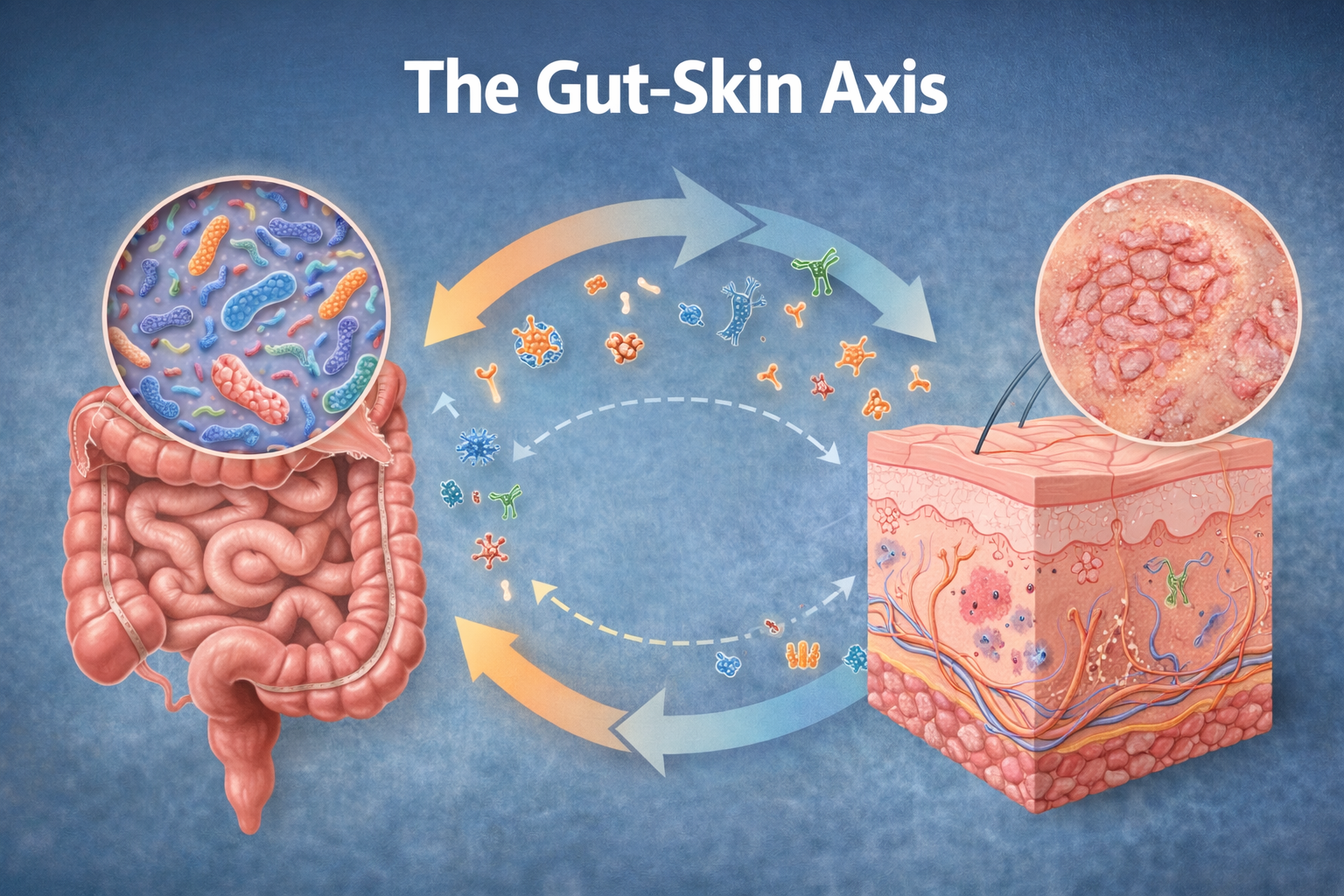
- Psoriasis: Driven by gut dysbiosis, intestinal permeability, and T-cell immune dysfunction
- Eczema: Linked to impaired gut barrier, bile flow dysfunction, and IgE-mediated immune responses
- Rosacea: Associated with SIBO, histamine intolerance, and systemic vascular inflammation
- Acne: Connected to hormonal imbalance, liver detox impairment, and gut microbiome disruption
The Internal Approach: What Actually Works
Healing chronic skin conditions from the inside out requires addressing three interconnected systems: the gut, the liver, and the immune system. This is not a quick fix — it typically takes 3-6 months to see significant results. But unlike topical treatments, the results are lasting because you're addressing the actual cause.
Step 1: Heal the Gut
Remove inflammatory foods (gluten, dairy, refined sugar, seed oils). Repair the intestinal lining with L-glutamine, zinc carnosine, and collagen. Repopulate the microbiome with high-CFU probiotics and prebiotic fiber. This alone produces dramatic improvements in many people.
Step 2: Support the Liver
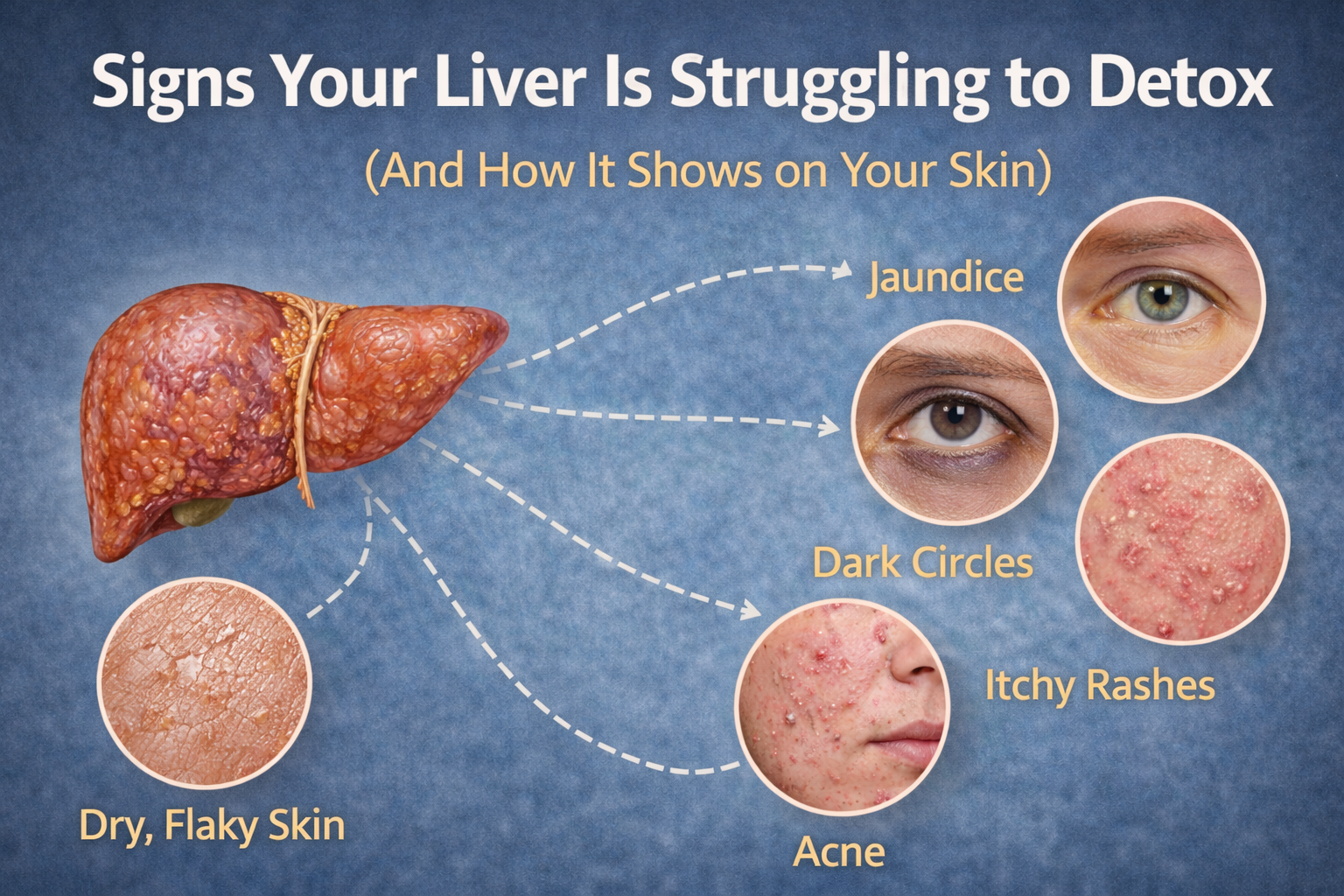
The liver is your primary detoxification organ. When it's overwhelmed, toxins recirculate and exit through the skin. Milk thistle, NAC, and dandelion root support liver function and Phase II detoxification. Reducing alcohol and processed food intake removes the biggest sources of liver stress.
Step 3: Optimize Bile Flow
Bile carries toxins out of the body. When bile is thick and stagnant, those toxins recirculate. TUDCA, phosphatidylcholine, and artichoke extract improve bile composition and flow — often producing rapid improvements in skin conditions that haven't responded to anything else.
Creams are not the enemy. They're just the wrong primary tool for a problem that originates inside your body. Use them for acute relief if you need to — but invest your real energy in the internal work. That's where lasting healing happens.